The Key Benefits of Using a Diagnostic Repair Service for Your Vehicle
The merits of employing a automotive diagnostic service for a vehicle are significant and multifaceted. Such services improve safety and performance while preventing minor issues from becoming major problems. By identifying potential concerns early, they contribute to maintaining the car's dependability and fuel economy. Despite this, numerous drivers disregard the value of routine diagnostic checks. Recognizing what such services deliver can contribute to wiser decisions about car upkeep and long-term performance. What aspects should drivers examine when deciding on an automotive diagnostic provider?
Understanding the Importance of Diagnostic Repair Services
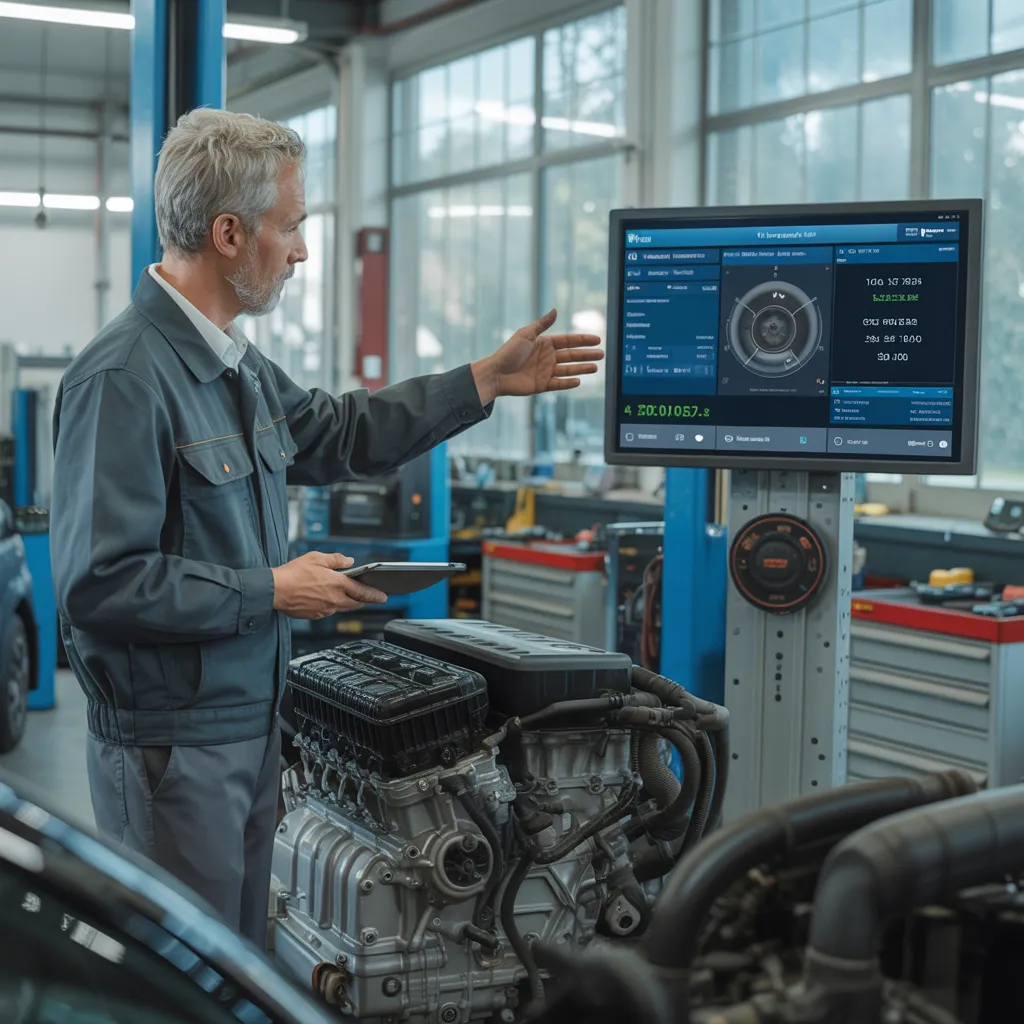
Diagnostic repair services are fundamental in preserving vehicle performance and safety. These services make use of cutting-edge technology and specialized equipment to examine a vehicle's systems, identifying potential issues before they escalate into serious problems. By conducting thorough diagnostics, skilled technicians can detect faults in key components such as the engine, transmission, and electrical systems.
This preventative strategy not only improves the durability of the vehicle but also secures maximum fuel efficiency and performance. Moreover, diagnostic services aid in meeting safety requirements, decreasing the chances of accidents stemming from mechanical issues. Consistent diagnostics facilitate knowledgeable decisions about repairs and servicing, potentially helping owners avoid substantial costs down the line. In the end, the value of diagnostic repair services rests in their capacity to deliver peace of mind, guaranteeing that vehicles run efficiently and safely on the road.
Common Vehicle Issues Diagnosed Effectively
A large number of vehicle owners experience a range of common issues which can be properly assessed through dedicated diagnostic services. These concerns frequently encompass transmission difficulties, electrical system malfunctions, and engine problems. For instance, a vehicle's engine might produce strange sounds or show reduced efficiency, necessitating a comprehensive inspection. Transmission issues might manifest as slipping gears or rough shifts, which can be identified through diagnostic assessments.
Furthermore, dashboard warning lights can signal numerous issues, from slight to serious, indicating the necessity of urgent action. Brake-related concerns, such as squeaking or decreased braking performance, also demand accurate diagnosis to ensure driver safety. By making use of vehicle diagnostic services, car owners can identify these problems early, avoiding additional damage and expensive repairs. Ultimately, identifying and resolving these typical car problems through expert diagnosis promotes both the longevity of the vehicle and driver safety.
How Diagnostic Tools Detect Vehicle Problems Precisely
Diagnostic tools utilize cutting-edge technology to detect vehicle faults with remarkable accuracy. By incorporating real-time data assessment, these tools can evaluate multiple systems throughout the vehicle, providing instant feedback on efficiency and underlying concerns. This exactness boosts the efficiency of repair services, ultimately leading to better vehicle maintenance.
Cutting-Edge Technology Integration
As vehicles become increasingly complex, the adoption of cutting-edge diagnostic tools has changed the way faults are recognized and corrected. Today's diagnostic systems make use of refined software and hardware to assess a vehicle's electronic systems, empowering technicians to locate faults with impressive accuracy. These tools can read error codes, monitor sensor data, and even perform system checks in real time. By translating intricate vehicle data into understandable information, they assist in removing uncertainty and shortening repair durations. Furthermore, the application of advanced technology ensures that technicians remain informed about the newest vehicle models and their unique needs. Such precision not only increases the efficiency of repair work but also strengthens overall vehicle safety and performance, rendering diagnostic repair services an essential resource.
Real-Time Data Analysis
Leveraging real-time data processing, modern diagnostic tools efficiently identify vehicle issues with exactness. Such systems gather and analyze readings from numerous sensors throughout the vehicle, allowing technicians to identify problems swiftly. Through monitoring essential metrics such as engine function, fuel economy, and emission readings, technicians can gain insights into underlying problems that could be missed during a routine examination. This preventative strategy facilitates early responses, reducing the risk of more extensive damage and costly repairs. Additionally, instant data can enhance interaction between the technician and the car owner, maintaining openness about detected faults and proposed fixes. Overall, the use of real-time data analysis greatly enhances the exactness and productivity of car diagnostic procedures.
Why Do Experienced Technicians Matter in Diagnostics?
Skilled technicians play a vital role in car diagnostics due to their superior technical understanding. Their skills provide for accurate problem detection, limiting downtime for vehicle owners. Moreover, experienced technicians improve repair precision, confirming that issues are addressed accurately on the first attempt.
Advanced Technical Knowledge
Technical proficiency is a critical factor in how well vehicle diagnostics perform. Experienced technicians possess a deep understanding of automotive systems, empowering them to precisely analyze complex diagnostic tool data. Their extensive training allows them to recognize patterns and anomalies that less experienced individuals might overlook. This superior understanding ensures that technicians are able to distinguish between minor concerns and major problems, producing more reliable diagnostic outcomes. Moreover, veteran professionals are generally knowledgeable about the newest technological innovations, which are essential in contemporary vehicles. Their ability to stay updated with industry trends enhances their diagnostic skills, establishing them as essential assets in uncovering underlying problems rapidly and effectively. Ultimately, their expertise translates into more reliable and efficient vehicle repairs.
Effective Issue Detection
Exact issue identification is fundamental in vehicle diagnostics, and the proficiency of experienced technicians greatly strengthens this process. Experienced technicians possess a comprehensive grasp of diverse vehicle systems, allowing them to rapidly identify issues that may evade less knowledgeable mechanics. Their expertise with diagnostic equipment and tools enables them to process data efficiently, leading to quicker and more dependable conclusions. Additionally, experienced technicians can draw on past experiences to recognize patterns in vehicle behavior, facilitating swift identification of persistent faults. This proficiency not only preserves time but also minimizes the risk of misdiagnosis, ensuring that the right problems are addressed promptly. As a result, utilizing experienced technicians for vehicle diagnostics translates into enhanced overall vehicle performance and durability.
Improved Repair Precision
Reaching superior repair accuracy copyrights on the expertise of mechanics who possess a wealth of knowledge in vehicle diagnostics. Experienced technicians are familiar with the complexities of various vehicle systems, allowing them to pinpoint faults with precision. Their thorough preparation and hands-on experience enable them to employ sophisticated diagnostic equipment efficiently, confirming that issues are accurately detected on the first attempt. This reduces the likelihood of misdiagnoses and unnecessary repairs, effectively preserving time and resources for car owners. Furthermore, their understanding of manufacturer specifications ensures that maintenance is carried out with maximum precision. Ultimately, the proficiency of seasoned technicians is essential for reaching reliable diagnostic conclusions, contributing to greater vehicle dependability and extended lifespan.
Financial Benefits of Early Diagnostic Repair Services
Early diagnostic repair services provide vehicle owners substantial savings on repair costs. Tackling issues at an early stage can keep minor faults from turning into major mechanical failures, which often result in greater labor and component expenses. By detecting and correcting problems at an early stage, vehicle owners can extend the lifespan of their vehicles, reducing the frequency of costly repairs and replacements.
Moreover, early diagnostic checks play a key role in enhancing vehicle performance, resulting in better fuel efficiency. Vehicles that receive regular maintenance are unlikely to experience sudden breakdowns, sparing owners the cost of roadside assistance and towing fees. Additionally, consistent diagnostic inspections can reveal hidden issues that may go unnoticed, allowing for proactive measures before they become critical.
When all is said and done, committing to timely vehicle diagnostics not only secures a vehicle's current condition but also improves ongoing monetary advantages, making it a prudent option for diligent vehicle owners.
Recognizing Signs That Indicate the Need for Diagnostic Services
Vehicle owners need to stay alert in recognizing signs that indicate the need for diagnostic inspections. Abnormal noises, such as grinding or knocking sounds, can suggest underlying mechanical concerns that require immediate attention. Moreover, indicator lights on the dashboard, particularly the check engine light, similar information ought never to be overlooked, as they frequently signal hidden issues.
Shifts in vehicle behavior, such as decreased acceleration or difficulty starting, may also suggest the need for a professional diagnostic inspection. Fluctuating fuel efficiency can suggest problems with the engine or fuel system that may require prompt professional assessment.
Finally, ongoing vibrations or handling problems can point to suspension or alignment issues. By staying alert to these warning signs, car owners can actively pursue diagnostic evaluations, keeping their vehicles safe and dependable while potentially saving on costly repairs in the long run.
Common Questions and Answers
How Often Should I Get My Vehicle Diagnosed?
A vehicle should generally be inspected on a yearly basis or whenever dashboard warning lights illuminate. Regular diagnostics help detect underlying issues early, ensuring peak performance and preventing costly repairs, ultimately prolonging the life of the vehicle and enhancing safety.
Can I Conduct My Own Diagnostics at Home?
Indeed, anyone can carry out diagnostic tests at home with budget-friendly OBD-II diagnostic scanners. That said, although basic issues are often pinpointed, complicated problems often require expert knowledge for a precise diagnosis and efficient repair outcomes.
What Kinds of Vehicles Benefit the Most From Diagnostic Services?
Luxury vehicles, hybrids, and those with advanced technology systems are the primary candidates for specialized diagnostic services. These vehicles' sophisticated electronic components necessitate purpose-built tools and professional expertise, ensuring accurate problem identification and efficient repairs to preserve optimal performance levels and vehicle safety.
Do Diagnostic Repairs Fall Under Warranty Coverage?
Warranty coverage may apply to diagnostic repairs, based on the particular terms and conditions outlined in the warranty. Car owners are encouraged to examine their warranty documents or speak with their provider to identify the coverage specifics for these types of services.
How Much Time Does a Standard Diagnostic Service Require?
A standard vehicle diagnostic typically requires between one to two hours, depending on the vehicle's complexity and the particular problems being examined. Factors like the technician's expertise and equipment also influence the overall time required.
Strengthen
Comments on “Diesel Engine Diagnostics in Wichita for Fleet Maintenance”